

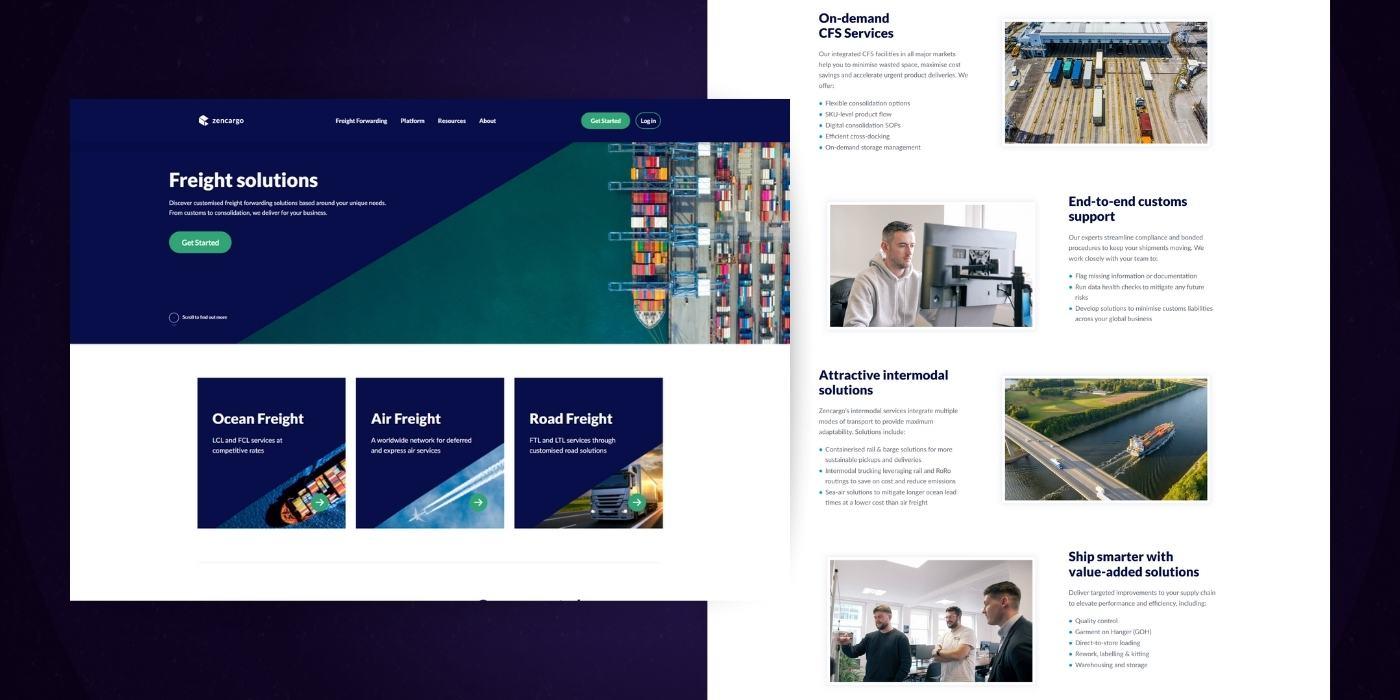
As ardent seafarers ply their craft through the unpredictable waters of the online business world, a well-optimized product and service page becomes their guiding North Star towards conversion success. Every intricate detail from engaging content, vibrantly designed images, to streamlined navigation – all play a vital part in convincing a casual passerby to become a loyal patron. If the Holy Grail of digital commerce is to transform these ethereal internet window-shoppers into tangible, revenue-generating customers, then mastering the fine art of Product and Service Page Optimization for conversions is the secret map that leads to that coveted treasure. So strap in, put on your explorer’s hat, and embark on an insightful journey navigated by this article.
Understanding the Basics of Product and Service Page Optimization
Mastering the Finer Points
To implement a successful positioning strategy from a digital standpoint, website pages need to be designed and optimized to accurately reflect your product or service. It all comes down to tailoring your webpage to be as user-friendly as possible while conveying crucial information. To achieve this, proper use of keywords, enriched meta tags, and intuitive web design are indispensable. Here is the toolkit you’ll need:
- Keywords: Acknowledge what language your target demographic utilizes while looking for your product/service. Use these words reasonably across your content.
- Meta tags: These should be crisp, clear and contain the primary keyword. It’s the first description your potential client will read!
- Web design: Your page needs to be navigation-friendly. The easier a user can maneuver through your website, the more likely they are to convert into paying customers.
Upsurge Engagement with Content
Moving further, it is important to bear in mind that a beautifully designed webpage is nothing without substantive content. Engaging, unique content is, without a doubt, an essential aspect of product and service page optimization. Not just for the user, but for the search engine as well. Let’s highlight the major components of great content:
- Structured content: Information should be broken down into sections and sub-sections. This makes it easier for users to understand your product or service, increasing the likelihood of a sale.
- Use of visuals: Adding relevant images and videos on your webpage can make your product/service more attractive and understandable to potential customers.
- Up-to-date content: Regularly update your page with the latest information about your offerings. This will also improve your SEO ranking.
At the end of the day, your product and service page should not just be an information bank, but a solution center that convinces customers why they should choose you over your competitors.
Harnessing the Power of Effective SEO for Higher Conversions
Imagine unlocking the mysterious door to improved website conversions and an impressive surge in your business or brand reputation. Yes, it’s possible, and that key is nothing other than Effective Search Engine Optimization (SEO). When embraced correctly, SEO can move your website from a simple domicile in the online universe to a much-visited destination, delivering a significant increase in site traffic and subsequently, an uptick in conversions.
How can SEO be used to drive conversions? Here’s some food for thought:
- Focus on User Intent: Understand what your audience is looking for and use these insights to create compelling content fueled by vital keywords.
- Enhance User Experience: A site that’s readily navigable and quick to load has better prospects of transforming a casual visitor into a customer.
- Utilize Link Building: Links, both internal and external, are seen as votes of confidence by search engines. Therefore, they can potentially improve your site’s standing in search engine results, attracting more visitors.
- Track and Refine: Use the right tools to monitor your site’s performance. This helps you understand what’s working and what isn’t, and makes refinement easy.
Remember, every business has a unique journey and so, the exact SEO strategies will differ. However, the principles remain the same- focusing on the users’ needs, delivering value, and constantly refining the process. When applied diligently, these principles can propel you towards higher conversions and success.
Redesigning Product Descriptions to Drive User Engagement
Transforming mediocre product write-ups into compelling descriptions can be the game-changer your business needs to increase user engagement. Product descriptions are more than just a brief overview of items, and upgrading your existing content can be surprisingly effective in capturing the interest of potential clients. Enhanced engagement caters to producing more traffic, thereby driving clients to explore your offerings, ultimately leading to an increase in conversion rates.
Start by focusing on the customer’s perception. Consider their potential questions and inform them why your product is their best choice. Use persuasive language but avoid hard selling. Remember, customers appreciate honesty. Following these guidelines is the first step in see a boost in engagement:
- Make it short, simple, and to the point
- Use bullet points for easy readability.
- Include technical details and dimensions if necessary.
- Explain the benefits, not features.
- Use high-quality product images.
Mastering the Art of Compelling Call to Actions
Understanding the irresistible power of a strong Call to Action (CTA) is part of honing your digital marketing skills. CTAs should be clear, concise, and compelling invitations for visitors to engage further with your content—be it downloading resources, signing up for memberships, or purchasing products. They’re elements that shouldn’t be underestimated in their importance. After all, even the most captivating copy or design will fall flat without an enticing provocation to action.
When creating CTAs, certain factors should be at the core of your consideration:
- Clarity: Your audience needs to know exactly what you’re asking them to do. “download now”, “sign up today”, or “buy now” are explicit and straightforward commands.
- Urgency: Time-bound CTAs like “Get 20% off before it’s too late”, can create an irresistible sense of urgency that prompts immediate action.
- Value proposition: Illustrate how your request offers value. “Get your free ebook now” or “Join our community for exclusive tips”.
It’s not enough just to ‘know’ these tips—the real art of compelling CTAs comes from practice, creativity, and testing. With the right combination of compelling copy and strategic placement, your CTAs can become the ultimate drivers of audience engagement.
Analyzing Performance: Essential Metrics for Conversions Optimization
In the realm of digital marketing, an array of key performance indicators (KPIs) work in tandem to shed light on the bigger picture. This picture contains the effectiveness and efficiency of your overall marketing strategies. To pinpoint areas requiring improvement, a clear understanding of these essential metrics is vital. To present this subject matter clearly, below are some pivotal metrics linked to boosting your site’s conversion rates:
- Conversion Rate: This reflects the percentage of visitors who perform the desired action on your site. It could be making a purchase, filling out a form, subscribing to a newsletter, or any other intended action.
- Bounce Rate: This metric indicates the percentage of visitors who leave your site after viewing a single page. A high bounce rate may signify that users aren’t finding your content useful or appealing.
- Page Value: This determines the average value of a particular web page in generating conversions, which will help you determine which pages need more attention.
Additionally, the Average Session Duration can yield significant insights into the behavior of your users. It’s the total duration of a session divided by the number of sessions. If your users are spending more time on your site, it would generally imply they’re having a more engaging experience. This can correlate with increased conversions. Meanwhile, the Exit Rate can help identify bottlenecks in your conversion pathways. It signifies the percentage of users that leave after viewing a page, which can provide insights into whether your on-page content or CTA placements can be improved.
- New vs Returning Users: This offers a snapshot of the type of visitors you are attracting. If you have high numbers of returning visitors, you can infer that your content, products or services were satisfying enough for them to return.
- Click Through Rate (CTR): This measures the ratio of users clicking on specific links to the total users who have viewed the page. It’s important in evaluating the efficiency of your CTAs and ad campaigns.
- Cart Abandonment Rate: Being a crucial parameter for e-commerce websites, it represents the percentage of users who added product(s) to their shopping cart but did not make a purchase, revealing potential optimization areas in the purchase process.
By understanding these critical indicators, you can formulate data-driven decisions that can potentially elevate your conversion rates to new heights.
Incorporating User Feedback for Continuous Page Optimization
Whether you own an eCommerce platform or run a blog, it is highly crucial to continually optimize your website’s pages to meet the ever-evolving preferences and demands of your users. You might have deployed the latest website design techniques and technologies but if it doesn’t resonate with your audience, you might see a high bounce rate. Besides sophisticated analytics and A/B testing, user feedback is one of the most underrated tools that can provide extensive insights into what your users want and how well you’re performing in meeting their expectations.
Your user’s feedback is like a goldmine, laden with valuable inputs that can streamline your optimization efforts. You could start by incorporating simple feedback forms on your website or route your users to a designated feedback portal from where you gather all the user insights. It’s essential to maintain an open channel of communication and assure your users that their feedback is being taken into consideration.
Here are some points on how to leverage user feedback for continuous page optimization:
- Page Design: If users suggest they are having trouble navigating through your website, you may need to revisit your page structure or layout.
- Content Relevance: Use feedback to determine if your content is hitting its mark. If users are suggesting improvements or complaining about irrelevant content, then you know there is room for realignment.
- Page Speed: If users report slow page load times, it’s a signal to work on improving your website’s speed.
- User Experience: Users’ complaints or compliments about the user interface can give insights on where to refine the overall experience.
Remember, a successful website does not rest on aesthetics alone, prioritizing user feedback provides a direct correlation to your users’ needs and ensures your website runs smoothly, keeping your audience happy and returning for more.
Concluding Remarks
As we draw this exploration of product and service page optimization to a close, it’s clear that every detail counts in the delicate dance of conversion. From compelling visuals to persuasive copy, each element plays a pivotal role in guiding your visitors toward that all-important decision. Remember, optimization is not a one-time project but a continuous journey of improvement, experimentation, and learning. By understanding your audience’s needs and behaviors, you can craft experiences that resonate deeply and drive conversions.
As you embark on or refine your optimization efforts, keep in mind the balance between aesthetics and functionality, the power of clear calls to action, and the significance of authentic engagement. Equip your pages with the tools they need to not only attract attention but also to convert curiosity into commitment.
In a world where user expectations evolve at lightning speed, staying adaptable is your greatest ally. Embrace analytics, seek feedback, and never underestimate the value of a well-optimized page. After all, each conversion is not just a number; it’s a connection, a trust established, and a relationship that can lead to future opportunities. Your journey towards optimized pages is only just beginning—get out there and let the conversions flow!